The short version: a keynote speaker exists to frame your event: to connect your theme, strategy, or big message to ideas the audience will carry through the day. A motivational speaker exists to move your audience, to shift mindset, energy, and belief through story and emotion. One sets the intellectual agenda; the other lifts the room's energy and belief. Both can headline; they just do different jobs.
The terms blur because the roles overlap, and because "keynote" describes a slot while "motivational" describes a style. A keynote is the featured, agenda-setting talk at a conference or meeting. It can be delivered by a strategist, a scientist, an author, or a motivator. A motivational speaker is defined by what they do to the audience, and they're frequently booked as the keynote. So the honest answer to "which do I need?" starts with a different question: what do you want the room to do differently when they walk out?
The difference, side by side
Neither is better. They're built for different outcomes. Use this to name what you're actually after.
| Dimension | Keynote speaker | Motivational speaker |
|---|---|---|
| Primary purpose | Frame the theme; set direction | Inspire action; shift mindset |
| Content style | Strategic, big-picture, often data-informed | Emotional, story-driven, high-energy |
| Audience leaves with | Food for thought and shared context | Renewed energy, confidence, and drive |
| Typical placement | Opens or closes the program | Mid-program boost or an inspiring close |
| Best outcome | Alignment and understanding | Belief and momentum |
| Booked when | You need depth and direction | You need energy and resolve |
Synthesized from bureau and speaker definitions, 2026, with the overlap noted below.
Which one does your event need? A quick test
Answer honestly and the choice usually names itself. If you find yourself saying "both," that's a real answer too. See the next section.
- Do you need the room to understand a strategy, trend, or theme more deeply? That's a keynote speaker.
- Do you need the room to feel differently (more resilient, hopeful, or fired up)? That's a motivational speaker.
- Is this the talk that sets the frame for the whole event? Lead with a keynote.
- Is energy flagging on day two, or do you want to send people out on a high? Bring a motivational voice.
- Is your goal behavior change that sticks past the applause? Look for a motivator with substance and a repeatable framework, not just a lift.
The best speakers are often both
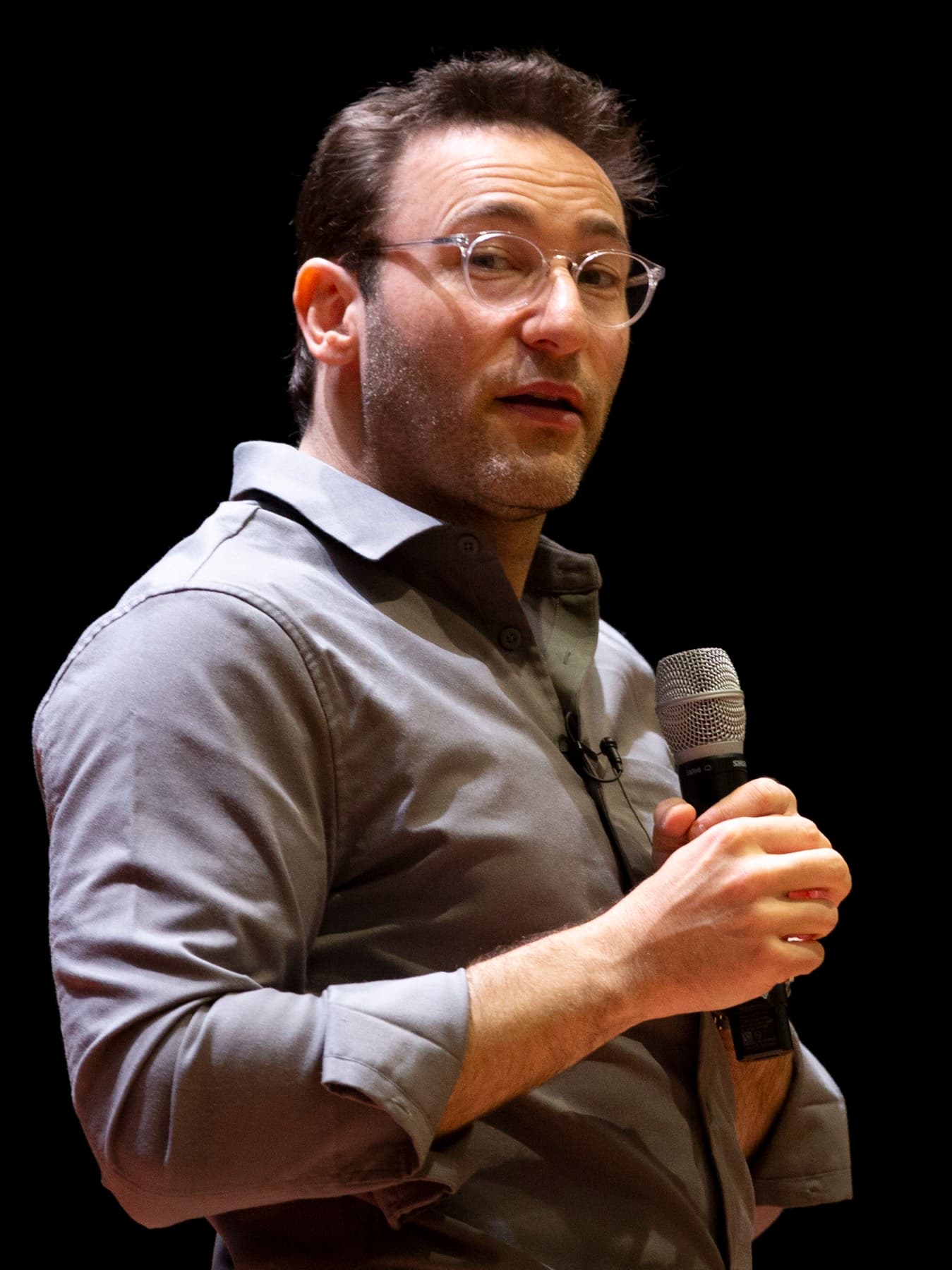
Here's what the definitional posts miss: the strongest bookings frequently do both jobs at once. A speaker like Simon Sinek reframes how a team thinks about purpose (the keynote job) while genuinely energizing the room (the motivational job). Chris Voss delivers a concrete negotiation method and leaves an audience feeling capable. The label matters less than the fit. What you're really buying is a specific change in a specific room, and many of the best speakers deliver both understanding and momentum in the same 45 minutes.
So don't over-index on the category. Start with the outcome you need, then look for the speaker who produces it, whether their marketing says "keynote," "motivational," or both. If you want help translating your goal into the right person, that's exactly what a bureau does: match the outcome to the speaker, not the label to the slot.
Do the fees differ?
Category alone doesn't set the fee. Reputation, demand, and format do. That said, the two markets have different shapes. Established professional motivational speakers commonly land in roughly the $10,000–$50,000 range for a keynote, while marquee motivators and household names run well into six figures. Business and expert keynote speakers span an even wider band, from a few thousand dollars for a rising voice to six figures and beyond for a celebrity authority. These are market ranges, not quotes for any named person. Real fees move with the date, format, and travel.
The practical takeaway: don't assume "motivational" means cheaper or "keynote" means pricier. A famous motivator can cost more than a respected subject-matter keynoter, and vice versa. For the full tier breakdown and what moves a number inside its band, see our keynote speaker cost guide and the motivational speaker cost guide.
Frequently asked questions
- What is the difference between a keynote speaker and a motivational speaker?
- A keynote speaker frames your event: connecting your theme, strategy, or message to ideas the audience carries through the day. A motivational speaker moves your audience, shifting mindset and energy through story and emotion. "Keynote" describes the featured slot; "motivational" describes the style. Many speakers do both, which is why the labels overlap.
- Can one person be both a keynote and a motivational speaker?
- Yes, and the best often are. A strong speaker can reframe how a team thinks (the keynote job) while genuinely energizing the room (the motivational job) in the same talk. Focus on the outcome you need rather than the label. Many top speakers deliver both understanding and momentum at once.
- Which speaker do I need for my event?
- Start with the outcome. If you need the room to understand a strategy or theme more deeply, book a keynote speaker. If you need the room to feel more resilient, hopeful, or driven, book a motivational speaker. For behavior change that sticks, look for a motivator with a repeatable framework, not just a temporary lift.
- Is a motivational speaker cheaper than a keynote speaker?
- Not necessarily. Category doesn't set the fee. Reputation, demand, and format do. A famous motivator can cost more than a respected subject-matter keynoter. Established motivational speakers commonly run about $10,000–$50,000 for a keynote, with household names into six figures; expert keynote fees span an even wider range. These are market bands, not quotes for a named person.
- Where should each type of speaker go in the agenda?
- Keynote speakers usually open or close a program, setting the frame or tying it together. Motivational speakers work well as a mid-program energy boost or an inspiring close that sends the audience out on a high. If one speaker does both jobs, an opening or closing keynote slot is often the strongest placement.
Sources
7 public references cross-checked by our editorial desk. Where this guide cites ranges, they reflect the consensus across published market data, never a quote for any individual.
- 1.Keynote and Motivational Speakers: Plan Your Next Event, A-Speakers
- 2.Keynote Speaker vs Motivational Speaker, PepTalk
- 3.Keynote Speaker vs. Motivational Speaker: What's the Difference?, Futurist Keynote Speaker Scott Steinberg
- 4.Keynote Speakers vs Motivational Speakers: Who to Choose for Your Event, Speakers Corner
- 5.Keynote Speaker vs. Motivational Speaker, Global Conference
- 6.How Much Does It Cost to Hire a Motivational Speaker in 2026?, SPEAKING.com
- 7.What Is the Difference Between a Motivational, Inspirational or Keynote Speaker?, AdventureMan
This article is general information, not professional advice. Details and pricing change; confirm specifics before you rely on them. See our full disclaimer.