There's no universally better slot. There's the right slot for what you want your event to do. An opening keynote sets the frame: it establishes the theme, energizes a cold room, and tells the audience why the next two days matter. A closing keynote pays it off: it ties the threads together, leaves people with something to act on, and sends them out on the note they'll remember. Choosing between them is really choosing which of those jobs is more important to your event, and then picking a speaker built for it.
The choice also changes the brief. An opener needs to land without a warm-up and create momentum from a standing start; a closer needs to re-engage an audience whose attention is fraying and convert three days of content into resolve. Ask a speaker to do the wrong one and even a great talk underperforms. Here's how the two slots differ, and how to match the speaker to the moment.
What each slot does
The jobs are genuinely different. Read down the column that matches your priority.
| Dimension | Opening keynote | Closing keynote |
|---|---|---|
| Core job | Set the theme and energize | Tie it together and send them off |
| Audience state | Cold, fresh, highest attendance | Tired, but primed by the recency effect |
| Energy arc | Ignite from a standing start | Re-engage and lift to a peak |
| Ideal content | Framing, vision, the big question | Synthesis, actionable next steps, inspiration |
| Biggest risk | Falls flat with no warm-up | A weak finish drags the whole survey down |
| Speaker strength | Instant command, agenda-setting | Reading the room, landing a takeaway |
Synthesized from event-programming and keynote-placement guides, 2026.
Two facts that should shape the call
First, attendance. The opening session almost always has the most people in the room. Travel delays, early departures, and multi-day fatigue thin out the closer. If reaching the largest possible audience with one message matters most (a CEO's strategic frame, a rebrand, a big announcement), the opening slot puts it in front of everyone. Put your must-be-seen moment where the seats are full.
Second, the recency effect: the well-documented tendency for people to remember the end of an experience most vividly. It cuts both ways. A strong closer becomes the lasting impression and lifts your post-event surveys; a flat one drags the whole event's rating down no matter how good day one was. That's why the closing keynote is the wrong place to economize. If the finish is where you want the memory to live, invest there and book someone who can genuinely peak a tired room.
Who fits each slot
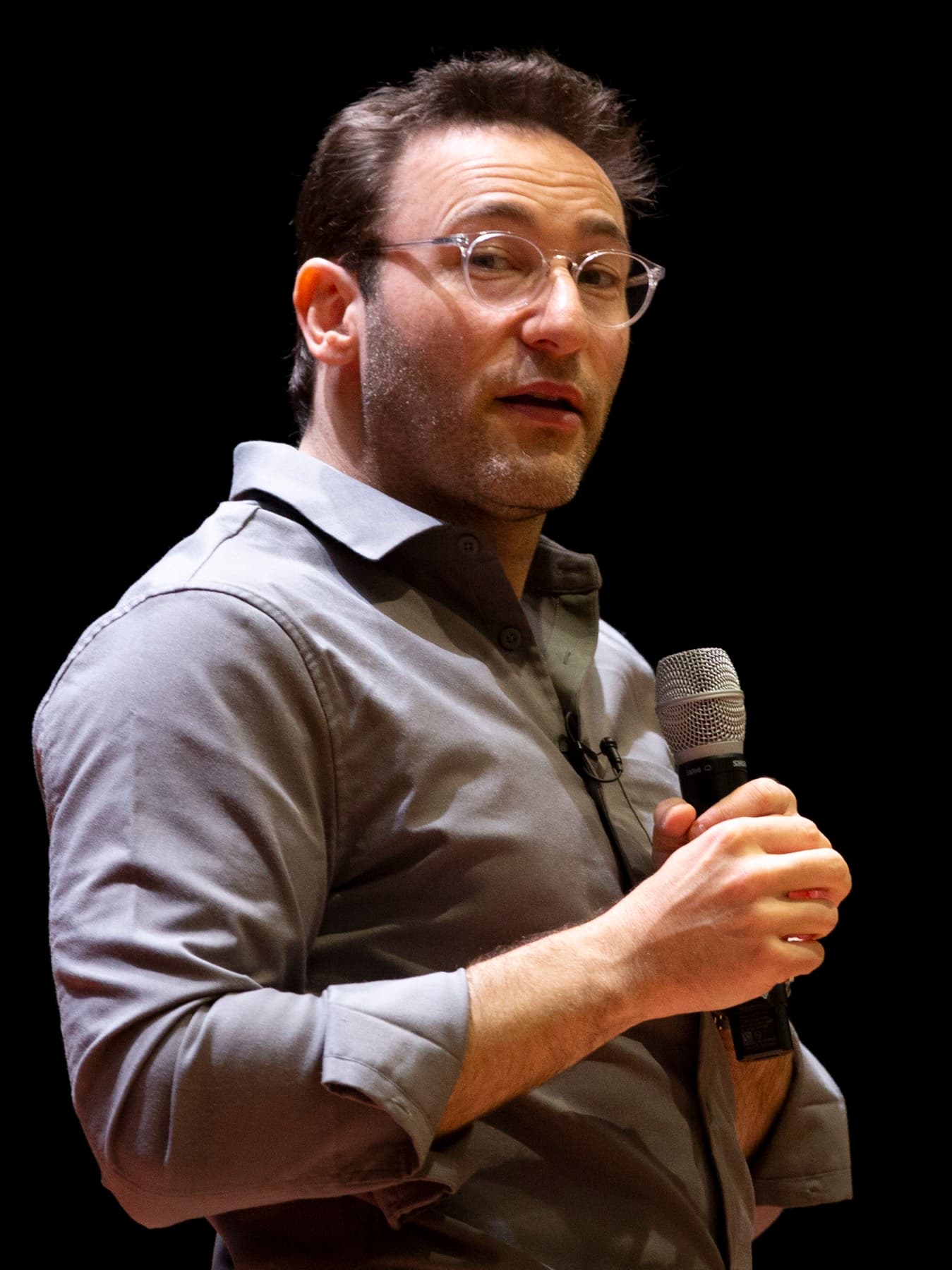
Openers reward instant command and a clear frame. You want a speaker who can walk onto a cold stage, take the room in two minutes, and hand the audience the lens they'll view everything else through: a visionary, a strategist, or a big-idea author. A speaker like Simon Sinek, who reframes why the work matters, is a natural opener because the frame he sets colors the rest of the program.
Closers reward emotional intelligence and a memorable landing. You want someone who can read three days of fatigue, gather the threads, and leave people moved and ready to act: often a motivational voice or a storyteller with a strong through-line. The closer's job isn't to introduce a new framework; it's to make the whole event feel like it added up to something. Match the archetype to the slot and both talks do more than they would in the other position.
Frequently asked questions
- Should a keynote speaker open or close an event?
- It depends on your priority. An opening keynote sets the theme, energizes a fresh room, and reaches the largest audience. A closing keynote ties the event together, leaves people with next steps, and, thanks to the recency effect, shapes the lasting impression. Choose the slot that matches whether you value framing and reach or memory and momentum most.
- Which keynote slot has the bigger audience?
- The opening slot, almost always. Travel delays, early departures, and multi-day fatigue thin out the closing session. If reaching the most people with one message matters most (a strategic frame or a big announcement), put it in the opening keynote where the room is fullest.
- Why is the closing keynote so important?
- Because of the recency effect: people remember the end of an experience most vividly. A strong closer becomes the lasting impression and lifts post-event surveys, while a weak finish drags the whole event's rating down regardless of how good the start was. The closing slot is the wrong place to economize.
- What kind of speaker is best for an opening keynote?
- One with instant command and a clear frame: a visionary, strategist, or big-idea author who can take a cold room in two minutes and set the lens the audience views the rest of the event through. The frame an opener establishes colors every session that follows.
- Should I book two keynote speakers, one to open and one to close?
- It can be worth it for longer programs that risk sagging in the middle. An agenda-setting opener plus an inspiring closer bookends the event with both direction and momentum. If budget allows only one, decide whether framing-and-reach or memory-and-momentum matters more, and place that single keynote accordingly.
Sources
8 public references cross-checked by our editorial desk. Where this guide cites ranges, they reflect the consensus across published market data, never a quote for any individual.
- 1.Closing Keynote Speaker for Conference: The 2026 Strategic Guide to Ending with Impact, SPEAKING.com
- 2.Opening Keynote vs Closing Keynote, Sylvie di Giusto
- 3.A Great Keynote Speaker: Should They Open or Close Your Event?, iDoInspire
- 4.Opening Keynote Speaker vs Closing Keynote Speaker, James Taylor
- 5.Opening vs. Closing Keynote Speakers: How Professional Presenters Differ, Futurist Keynote Speaker Scott Steinberg
- 6.Opening Keynotes Are Worth More to You Than Closing Keynotes, Speaking Gigs Pro
- 7.Opening Keynote Speaker vs Closing Keynote Speaker, Prophets of AI
- 8.How to Choose the Right Keynote Speaker for Your Event, Paragon Speakers
This article is general information, not professional advice. Details and pricing change; confirm specifics before you rely on them. See our full disclaimer.