A conference keynote is not one job. The speaker who opens your morning and sets the theme is doing something completely different from the one who closes the last afternoon and has to send a tired room back to work believing the trip was worth it. The name that sells registrations months out is rarely the same name that gives your strategy track its most useful hour. Book the wrong fit and it still costs real budget and the best slot on your agenda, so the question is never "who is the best conference speaker," it is "who is the right speaker for this slot, this audience, and this year."
So this list is organized by the job your conference needs done. Every name below is a real, bookable keynote speaker with a live profile on this site and a track record on big stages, not a name padded in for length. We do not rank by fee and we do not take payment for placement. Read the match table first, decide which slot you are actually filling, then read the entries it points to. Fall events (September through November) are being finalized now, so the earlier you lock a marquee name, the more likely your first choice is still open.
What's different about programming a fall 2026 conference
Fall is the busiest stretch of the events calendar. September through November is peak season for industry summits, annual user conferences, and leadership offsites, and it collides with Q4 budget cycles and fiscal-year-end kickoffs, so most of the year's marquee dates compete for the same few weeks. That does two practical things to your speaker search. First, the strongest names lock early: a headline keynote for October is often confirmed in the spring, so if you are reading this in mid-2026 with a fall date still open, weight availability over the perfect wish list. Second, budget timing bites: fall events frequently sit at the end of a spending year, so a virtual or fireside format, or a rising expert rather than a household name, can be the difference between booking now and waiting.
The season also shapes the job. A fall kickoff or sales conference often sets the tone for the next fiscal year, which raises the value of a theme-setting opener and a genuinely motivating close. A user or industry conference fighting for attention in a crowded autumn leans harder on a marquee draw to pull registrations. Keep both realities in mind as you read the entries below: the right fall 2026 booking is the one that fits your date, your budget, and the job the season is asking the keynote to do.
Best conference speaker for the job you're filling
Decide what the slot has to accomplish, then read the entries it points to. Several of these speakers can do more than one job well.
| If your conference needs… | Start with | Why they fit |
|---|---|---|
| A main-stage opener that sets the theme | Simon Sinek, Brené Brown | A human truth that frames the whole program and gives the day a spine |
| A closer that sends people out charged up | Tony Robbins | Peak-performance energy that turns a drained room into momentum |
| A big-name draw that fills the seats | Neil deGrasse Tyson, Kevin O'Leary | Marquee recognition that helps sell registrations and packs the hall |
| A future and AI briefing for a strategy audience | Amy Webb | A data-driven read on what is coming and what to do about it |
| Sharper decisions and negotiation | Chris Voss, Adam Grant | Tools an audience can use in the very next meeting |
| Grit and ownership for a sales or ops crowd | Jocko Willink | Discipline and accountability, delivered without fluff |
| Entrepreneurial spark and brand | Daymond John, Scott Galloway | Scrappy building energy and a provocative read on the market |
| Connection across a hybrid or distributed org | Erica Dhawan | Communication that lands across screens and rooms alike |
Each speaker is bookable through Headliner under the booking-agent model. Availability and current fees are confirmed per event.
1. Simon Sinek: the theme-setting opener
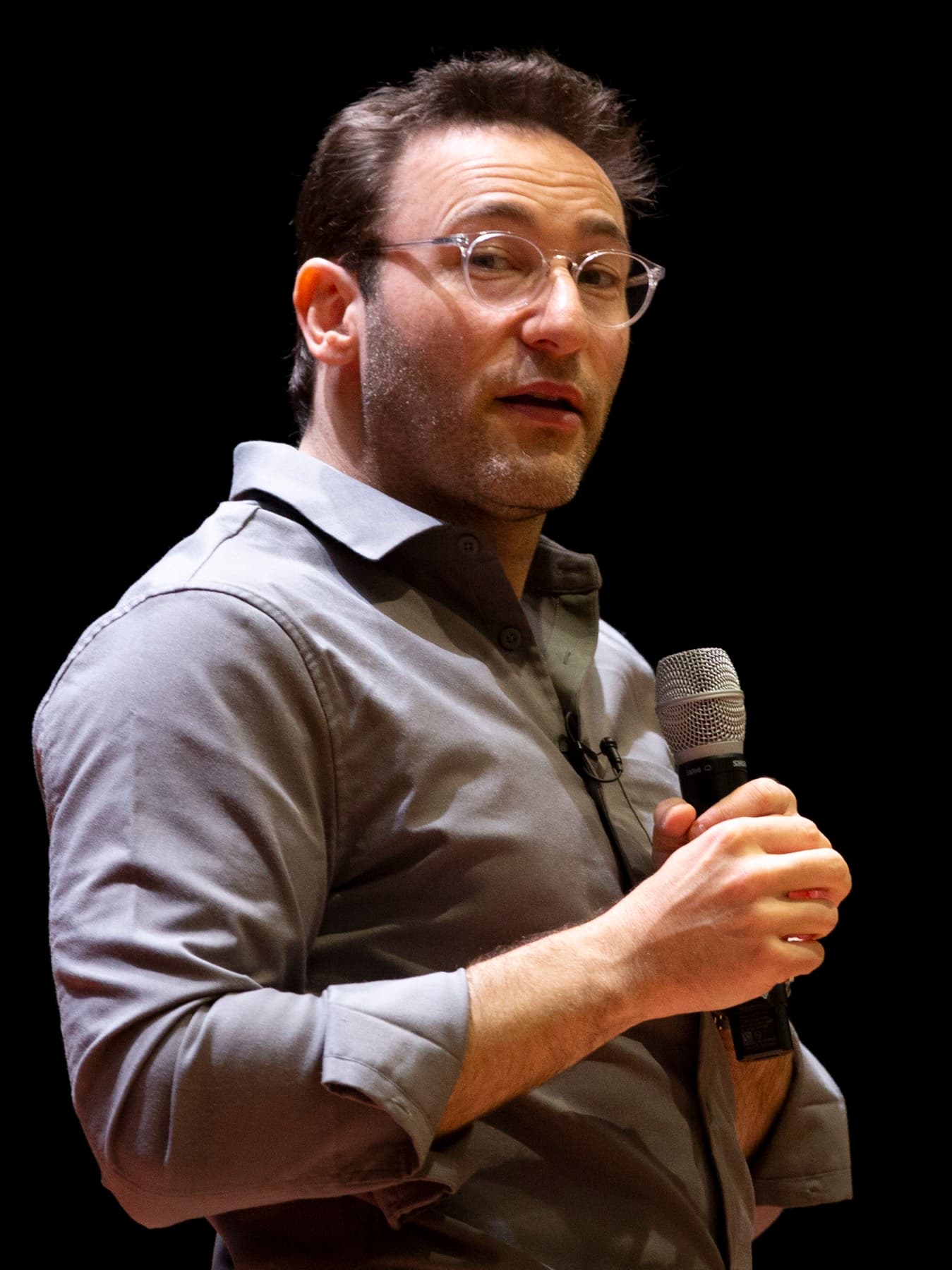
Optimist and author of "Start With Why" and "The Infinite Game," Simon Sinek is one of the most reliable main-stage openers there is. His talk on why great organizations inspire action gives a conference a spine: it names the point of the gathering and sends every session that follows back to a shared why. Best as the opening keynote for leadership summits, sales and partner conferences, and any multi-day program that needs its first hour to set a tone the rest of the agenda can build on. The tradeoff: his core ideas are widely known from his viral talks, so brief him to go past the greatest hits, and expect inspiration and direction rather than a tactical playbook.
2. Adam Grant: the research-backed main stage
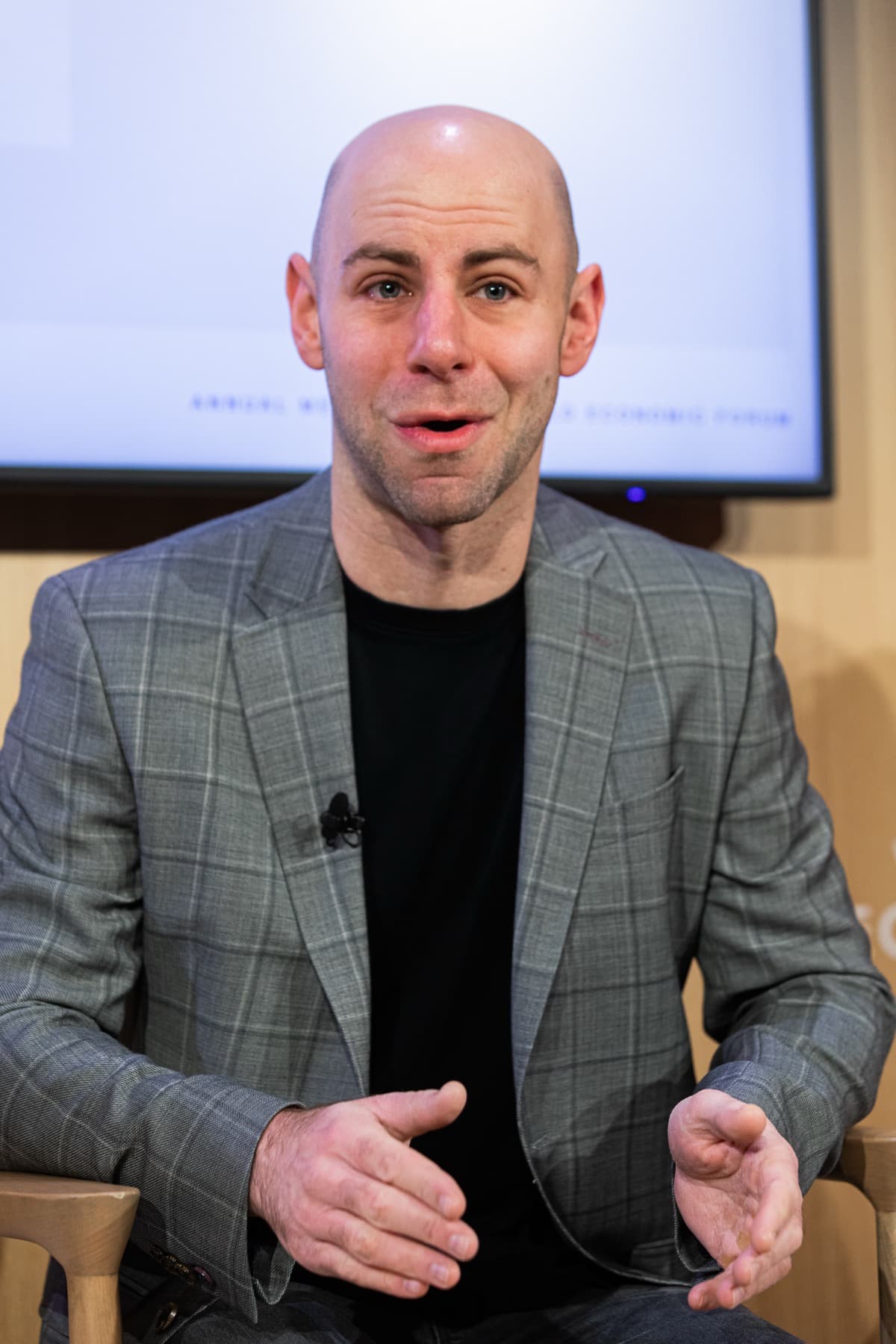
Wharton's top-rated professor and a #1 bestselling author (Think Again, Give and Take, Hidden Potential), Adam Grant turns rigorous organizational-psychology research into ideas a conference audience can act on: rethinking, motivation, and building teams where people speak up. He lands with executives and individual contributors alike, which makes him a strong fit for a mixed general session. Best for people-and-culture conferences, leadership tracks, and audiences who want evidence over anecdote, delivered with warmth and humor. The tradeoff: the talk is idea-dense and research-led, so it rewards an attentive room more than it works as a pure post-lunch energy jolt.
3. Brené Brown: courage and connection on the big stage
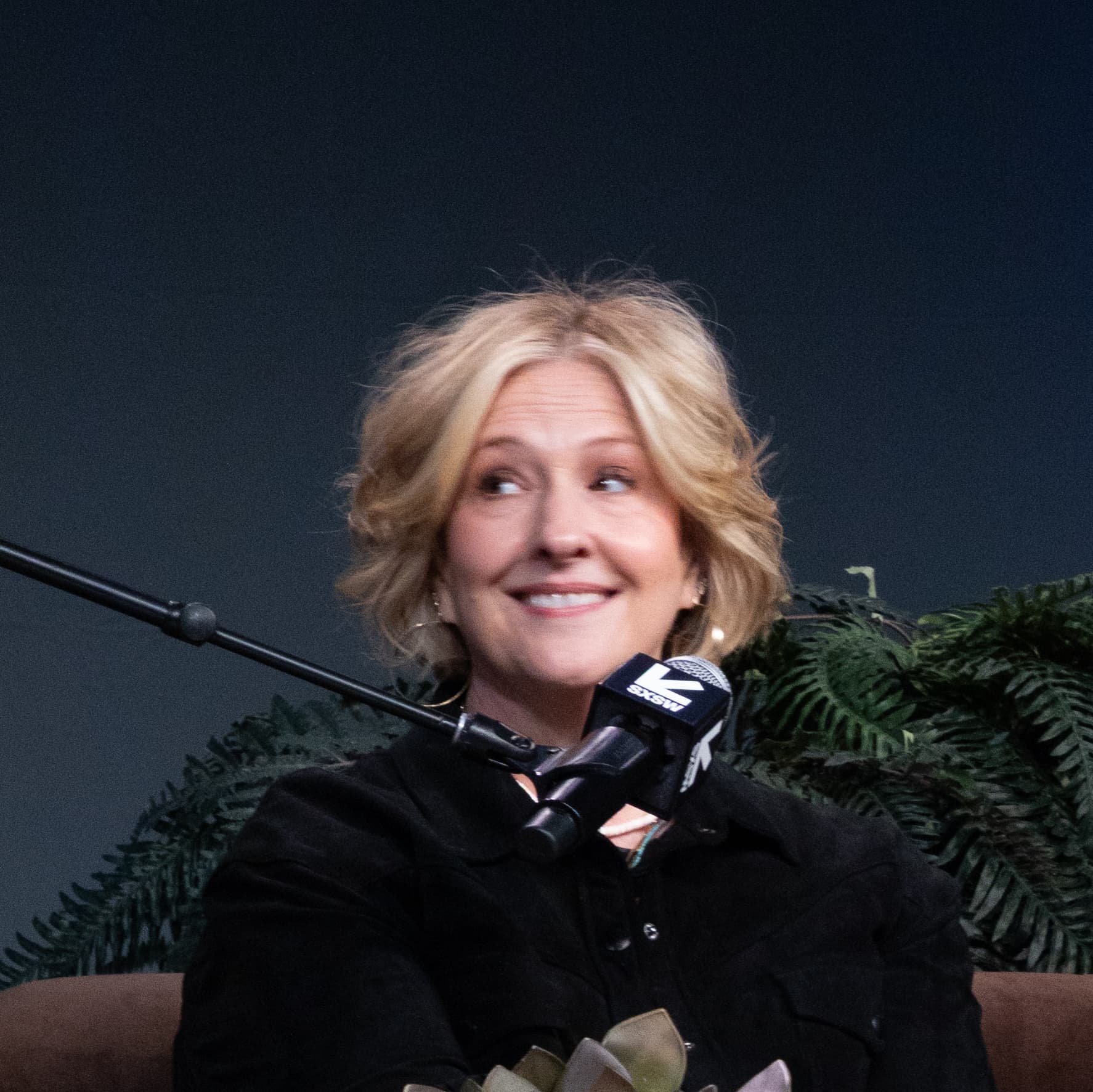
A research professor who has spent two decades studying courage, vulnerability, and trust, Brené Brown (Daring Greatly, Dare to Lead, Atlas of the Heart) brings a rare thing to a large room: an emotional through-line that a distracted audience actually feels. Her keynote reframes hard conversations, feedback, and leadership as acts of courage rather than comfort. Best as an opening or headline session for leadership, culture, and women's-summit programs that want the day to land on something human. The tradeoff: she is philosophical and research-led rather than tactical, and she is premium and selectively available, so book early and pair her with the working sessions that turn the message into practice.
4. Neil deGrasse Tyson: the big-name draw
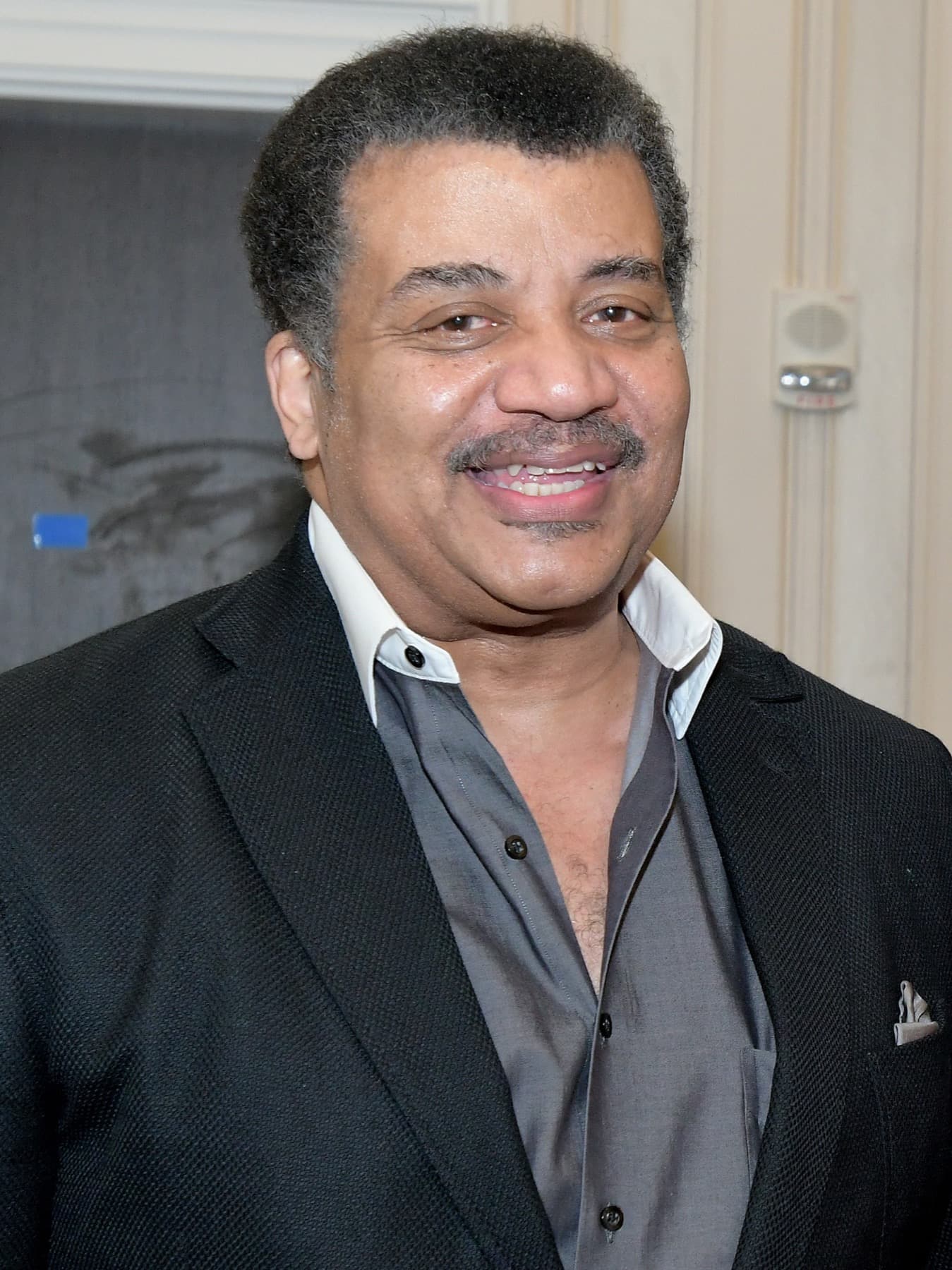
Astrophysicist, director of the Hayden Planetarium, and host of "StarTalk," Neil deGrasse Tyson is one of the most recognized science communicators in the world, and that recognition does real work on a conference: it sells registrations and fills the hall. His signature talk turns science and the scale of the universe into genuine wonder and a sharper way of thinking about evidence, which plays best as the marquee general session or the evening keynote that everyone stays for. Best for innovation, technology, and cross-industry conferences that want a name on the poster and a talk that is entertaining and substantive at once. The tradeoff: the talk is about science and wonder, not your industry or business goals, so use him for the headline draw and keep the business content in the tracks around him.
5. Scott Galloway: the provocative business read
NYU Stern marketing professor, nine-time founder, and the "Prof G" host, Scott Galloway gives a conference a blunt, data-heavy read on big tech, brand, the economy, and where the market is headed. He is provocative on purpose, which makes him a genuine draw and a talk people argue about on the flight home. Best for business, marketing, and go-to-market conferences that want a general session with a strong point of view, and audiences who would rather be challenged than reassured. The tradeoff: he is deliberately provocative and blunt, which is the draw for some rooms and a risk for a brand-sensitive or conservative audience, so confirm the fit before you put him on the main stage.
6. Amy Webb: the futurist strategy briefing
A quantitative futurist, NYU Stern professor, and author of "The Big Nine," Amy Webb runs the widely read annual Tech Trends Report and speaks on how AI and emerging technology reshape strategy. Her keynote is less prediction theater and more usable briefing: what is actually coming and what a leadership team should do about it now. Best for strategy tracks, technology and innovation conferences, and executive audiences who need to leave with a clearer plan for the next few years, not just a sense of vertigo. The tradeoff: it is a serious strategic briefing, not a motivational close, so program her for a strategy audience that wants substance over spectacle.
7. Chris Voss: negotiation for a commercial audience
A former FBI lead international kidnapping negotiator and author of the bestseller "Never Split the Difference," Chris Voss teaches a concrete negotiation method (tactical empathy, mirroring, labeling, calibrated questions) that a commercial audience can use immediately. On a conference stage it plays as both a gripping story and a working toolkit. Best for sales, revenue, and partner conferences, and any general session where the audience negotiates for a living and wants tools, not theory. The tradeoff: the value is highest for audiences that negotiate for a living, so for a purely inspirational slot the toolkit can feel narrow.
8. Jocko Willink: discipline and ownership
A decorated, retired Navy SEAL officer who commanded Task Unit Bruiser and co-author of "Extreme Ownership," Jocko Willink delivers a direct, no-excuses message about accountability, discipline, and leading by taking responsibility for everything in your world. On a large stage the plainspoken intensity cuts through conference fatigue fast. Best for sales kickoffs, operations and field conferences, and high-accountability cultures that respond to substance over polish. The tradeoff: the plainspoken, military register is polarizing, so it lands hardest with sales, ops, and high-accountability rooms and can feel intense for a softer audience.
9. Kevin O'Leary: the celebrity business draw
Investor, entrepreneur, and original Shark Tank cast member known as "Mr. Wonderful," Kevin O'Leary is a recognizable draw who speaks on business, finance, and investing with the bluntness the TV persona is known for. The name helps fill a room, and a moderated format lets him do what he does best: a candid, unscripted read on money, deals, and where founders go wrong. Best as a fireside or moderated Q&A general session for entrepreneurship, finance, and franchise or small-business conferences that want a marquee draw with a commercial edge. The tradeoff: he trades on the persona more than a teachable framework, so he is stronger in conversation than as a structured workshop keynote.
10. Daymond John: entrepreneurial energy
The FUBU founder who turned $40 into a global brand and an original Shark Tank investor, Daymond John brings entrepreneurial energy, branding savvy, and a scrappy builder's mindset. His "Power of Broke" message reframes constraints as an advantage, which resonates across a general session of founders and sellers. Best for entrepreneurship, marketing, and sales conferences that want a high-energy, name-recognition talk with real substance under the story. The tradeoff: the FUBU and Power of Broke arc is his signature and widely told, so ask him to tailor it to your audience rather than run the standard version.
11. Erica Dhawan: connection across a hybrid org
Author of "Digital Body Language," Erica Dhawan speaks on communication, connectional intelligence, and collaboration across the hybrid and distributed workplace. For a conference whose audience spans offices, time zones, and screens, she gives a practical read on why messages get lost and how teams actually connect now. Best for internal and employee conferences, culture and future-of-work tracks, and any general session for an organization that no longer sits in one building. The tradeoff: the topic is specific to communication and hybrid work rather than a marquee draw, so she fits an internal or culture track better than a headline slot meant to sell registrations.
12. Tony Robbins: the closer
A world-renowned peak-performance strategist and author (Awaken the Giant Within, Money: Master the Game) whose live events have reached tens of millions, Tony Robbins is built for the hardest slot on the agenda: the close. When a room is spent on the last afternoon, his job is to convert two days of content into resolve people carry home. He is premium and selectively available. Best as the closing keynote for large sales, network-marketing, and personal-development conferences that need to end on genuine momentum. The tradeoff: he is high-intensity and immersive, premium and selectively available, and built for scale and energy rather than a nuanced strategy briefing, so reserve him for the big close.
What do conference keynote speakers cost?
Conference keynote fees vary widely by speaker and event, and the gap between an established professional speaker and a marquee bestselling author, celebrity entrepreneur, or household-name scientist is large. Rather than repeat a specific market figure here without a fee-specific source, we keep the full, sourced tier breakdown in our keynote speaker cost guide. Virtual sessions usually cost less because there is no travel, and multi-appearance or multi-day deals are negotiated case by case.
We do not publish a specific figure for any named speaker. Every profile shows "fee on request," and we confirm the current fee and availability for your exact date and format. For the full tier breakdown and what moves a number inside its band, see our keynote speaker cost guide; the shortlist we build for you always puts a real budget against a real name.
Frequently asked questions
- Who are the best keynote speakers for a Fall 2026 conference?
- It depends on the slot. For a theme-setting opener, Simon Sinek or Brené Brown; for a closer that sends people out charged up, Tony Robbins; for a big-name draw, Neil deGrasse Tyson or Kevin O'Leary; for a future and AI briefing, Amy Webb; for negotiation and sharper decisions, Chris Voss or Adam Grant. Match the speaker to the job the slot has to do.
- How much does a conference keynote speaker cost?
- Fees vary widely by speaker and event, from established professional speakers to marquee names, and they shift with date and format. Because those ranges move and are speaker-specific, we point to the sourced tier breakdown in our keynote speaker cost guide rather than quote a number here, and we confirm each named speaker's fee per event. Every profile shows "fee on request."
- How far in advance should we book a conference speaker for the fall?
- As early as you can. Fall programs (September through November) are typically locked in the spring and summer, and the strongest marquee names are booked months out. Starting three to six months ahead, or more for a headline name, gives you the best chance of landing your first choice and the date you need.
- Should the keynote open or close the conference?
- Both matter, for different reasons. An opening keynote sets the theme and energizes a fresh room before the working sessions; a closing keynote converts two days of content into resolve people carry home. Some conferences book both. Match the speaker to the slot: a theme-setter for the open, a high-energy performer for the close.
- How was this list chosen, and is it pay-to-play?
- No. Placement cannot be bought. We selected speakers on three filters: stage command with a large audience, a takeaway people keep, and genuine bookability for Fall 2026. The numbering roughly reflects breadth of fit across conference types, but the honest guidance is to name the slot you are filling and use the match table.
Sources
5 public references cross-checked by our editorial desk. Where this guide cites ranges, they reflect the consensus across published market data, never a quote for any individual.
- 1.2026 Event Marketing Statistics, Trends, and Benchmarks, Bizzabo
- 2.2025 State of Events: B2B Insights & Industry Benchmarks, Bizzabo
- 3.Events Industry Forecast, PCMA
- 4.Convene: Business Events Industry Publication, PCMA
- 5.National Speakers Association, National Speakers Association (NSA)
This article is general information, not professional advice. Details and pricing change; confirm specifics before you rely on them. See our full disclaimer.